
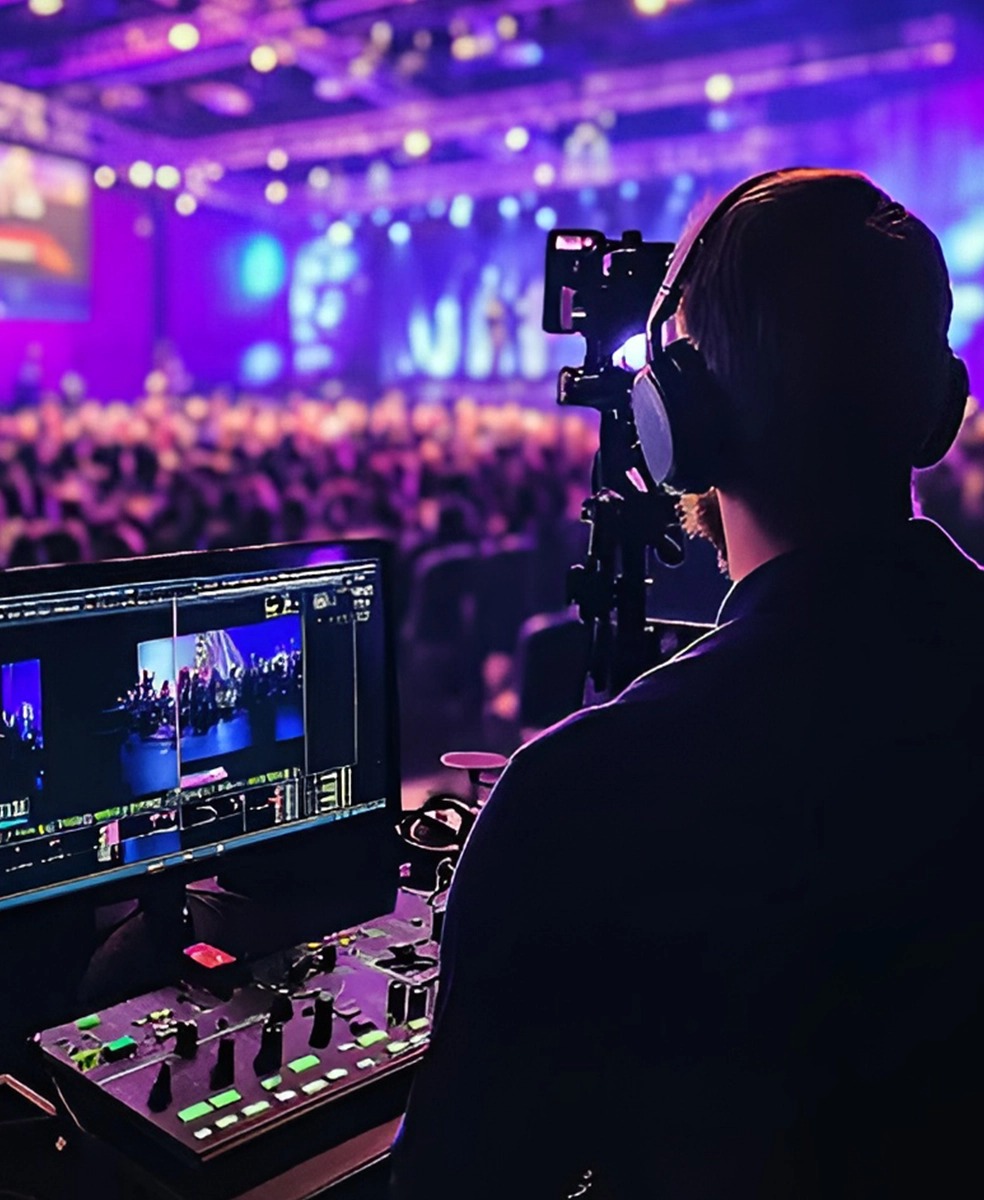
Event production feels like a high-wire act where every move counts. One wrong step, and the entire show could stumble. People see the final result, the lights, the sound, the crowd’s energy. But behind that polished exterior lies a world of coordination. This hidden framework, where every detail is checked and rechecked, is what separates a good event from a great one. This is the essence of logistics management in event production Dubai.
The invisible backbone:
Logistics management is the backbone that holds everything together. It is the silent worker that ensures every piece of equipment arrives on time. It tracks every cable, every speaker, and every piece of set dressing. Without this backbone, the creative vision remains just a drawing on a board. The audience never sees this work, but they would instantly notice its absence. This backbone supports the entire weight of the production.
Planning the timeline:
Every event runs on a strict timeline. This timeline dictates when the trucks arrive and when the stage is built. It sets the order for lighting checks and sound tests. A delay in one area can cause a chain reaction. Good planning means having backup plans for every step. The timeline is the script for the crew, and every minute has a purpose.
Moving equipment smartly:
Equipment does not move by itself. It requires careful planning to get heavy gear from the warehouse to the venue. This means choosing the right vehicles and the best routes. It also means having the right people to unload and set up. Smart logistics can save hours of work. This efficiency keeps the project on schedule and within budget.
Managing the crew:
People are the most important part of the equation. A good plan must account for the crew’s movements and roles. Everyone needs to know where to be and when to be there. Logistics means arranging transport, meals, and rest periods for the team. A tired or confused crew cannot perform their best work. Therefore, clear communication and proper scheduling are vital for the team’s success.
Handling last-minute changes:
Events are live, and things can change in an instant. A performer might request a different setup. Bad weather could force a change of plans. A piece of gear could break unexpectedly. Good logistics management is flexible enough to handle these surprises. It has backup gear ready and alternative plans in place. This ability to adapt quickly keeps the event from falling apart.